This is part two of The Anatomy of a Rivalry. Originally published March 14, 2012.
On January 6, 1920, newspapers throughout the country told the news which had been rumored for weeks. The Boston Red Sox sold Babe Ruth to the New York Yankees!
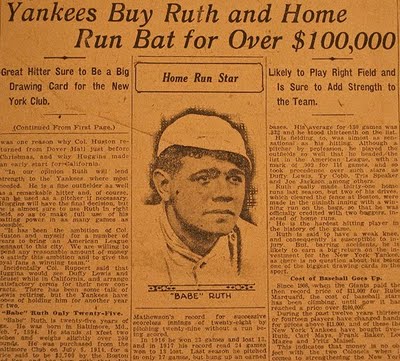
When looking back at this event through the eyes of nearly a century of hindsight, it is easy to scoff and decry such a move. Although there will always remain an element of disparity in evaluating this transaction; it is important to note and understand that events do not unfold in a vacuum.

Harry Frazee and Babe Ruth.
So then how is it that Red Sox owner Harry Frazee came to conclusion that it was a good idea to rid himself of Babe Ruth, the greatest baseball player who ever lived?
First a little about Harry Frazee. it is well-known that Frazee was a successful theatrical producer, however what is not well-known is that as an owner he was pro-active and somewhat innovative. He purchased the Red Sox in November of 1916 and by years end, he had offered Washington Senators owner Clark Griffith $60,000 for Walter Johnson.
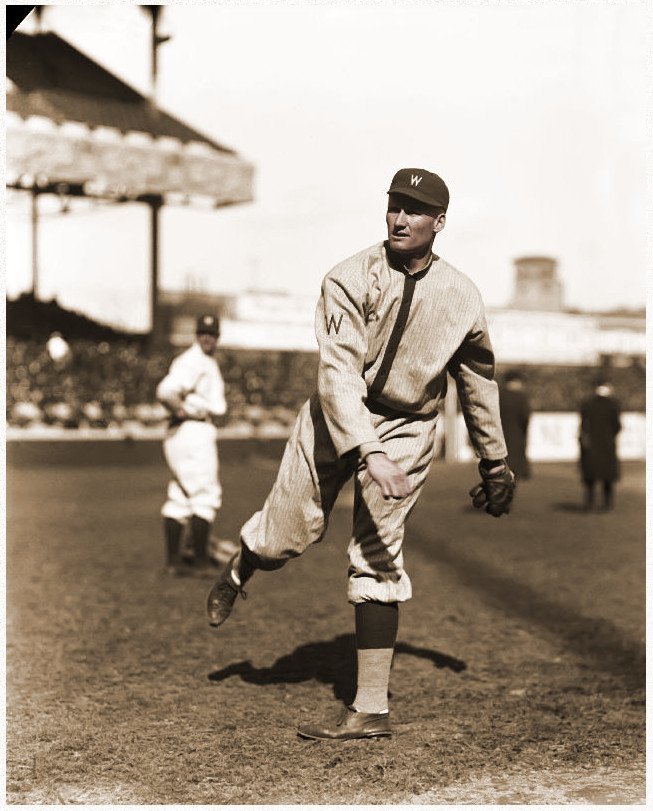
Walter Johnson 417-229 is one of only two pitchers in baseball history to win 400 or more games.
At 36 years of age, he was the youngest owner in baseball and following the “call to arms” throughout the nation in 1917, he purchased Amos Strunk, “Stuffy” McInnis, Wally Schang and “Bullet” Joe Bush from the Philadelphia A’s; all were significant contributors to the 1918 World Champion Red Sox.
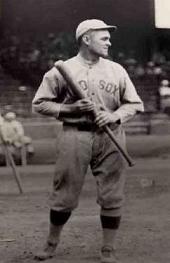 “Stuffy” McInnis, only Babe Ruth had more RBI for the Red Sox in 1918 than “Stuffy”.
Frazee was in an ongoing feud with American League president Ban Johnson and in fact at one point, he asked former President William Howard Taft if he would be interested in the job of one-man Commissioner of all of baseball. Taft declined while Ban Johnson fumed.
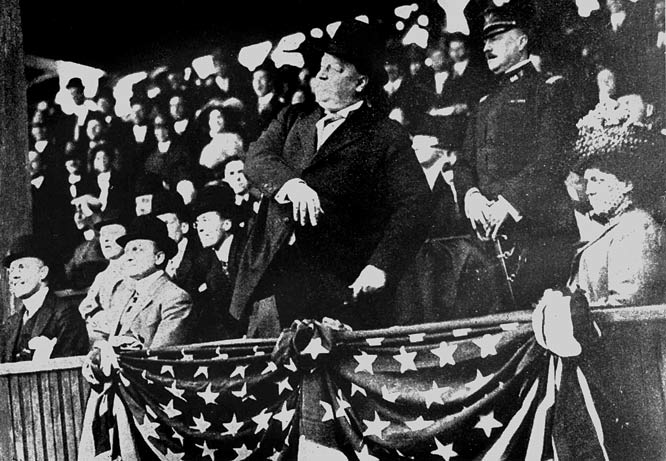
William Howard Taft, the only man to serve as President of the United States and Chief Justice of the United States Supreme Court.
Babe Ruth was the best player in baseball before he became a New York Yankee. He led the league in home runs in 1918 and set a new home run record in 1919. He was both pitching and playing the field and at the end of the 1919 season he was heading into the second year of a $30,000 contract which called for $10,000 per year.
 The Babe.
His exploits on the field were legendary, his exploits off the field were legendary, his exploits in the Fenway Park clubhouse were, at times, combative and disruptive. As is usually the case with megastars, Babe had his own set of rules. Curfew issues nearly brought Babe and manager Ed Barrow to blows on more than one occasion.
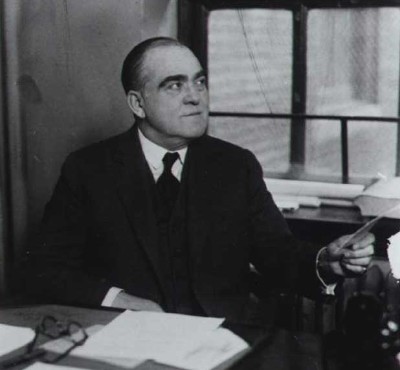
Ed Barrow.
The issue was settled in spring training of 1919 when Barrow exonerated Babe from “bed check” in exchange for Babe leaving him a note telling him what time he came in.
There were times throughout the season when Ruth was allowed to leave the team to play exhibitions in which he made up to $500 per game. Babe actually left the team, without permission, the last weekend of the ’19’ season to play in such an event; a move that did not endear him to either Frazee or a number of his mates.

At the end of the 1919 season, Frazee had given Ruth a $5000.00 bonus to compensate him for contract incentives he’d missed because he had pitched during the season. With Babe on a barnstorming tour in California in the fall of 1919, the word came that he wanted his salary doubled for the 1920 season.
Needless to say, this did not sit well with old Harry and the slippery slope that would take Babe to New York was greased, but not before Frazee offered him to the White Sox, straight up for Joe Jackson, White Sox owner Charles Comiskey declined!
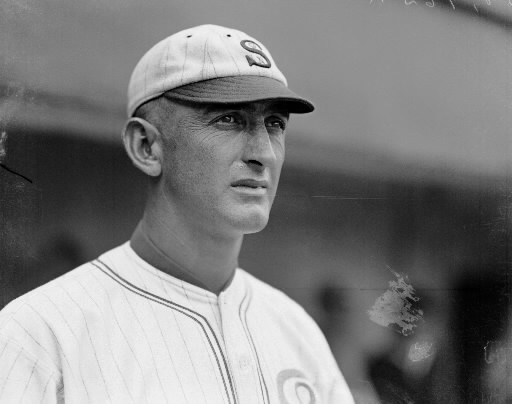
“Shoeless” Joe would play only one more year, 1920, before being banned forever for his role in throwing the 1919 World Series.
Perhaps the most interesting aspect to the transaction of the century is the response by Boston fans. Boston newspapers ran “opinion poles” on the trade and did so for about eight days. Surprisingly they ran about 50/50 and the fans looked forward to the players Frazee would procure with the money Ruth brought him.
Likewise, the press saw the deal as a positive one for Boston as the widely held belief was that Babe had simply grown to big for Boston.
However, the transaction marked the crossroads for both franchises which were headed in different directions and its ramifications echoed across a century of two cities and their beloved baseball teams! For the loss of Babe and those to follow ushered in the dark ages of the Boston Red Sox and history has named Harry Frazee as the mastermind of it all.
to be continued….And so it was at this time in Fenway Park history,
Babe leaving time!

 fenwaypark100