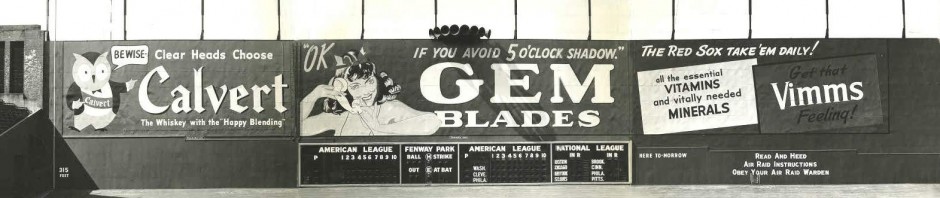
Ladies and Gentlemen, Boys and Girls, Now Batting for the 1912 Red Sox, Their Captain…..

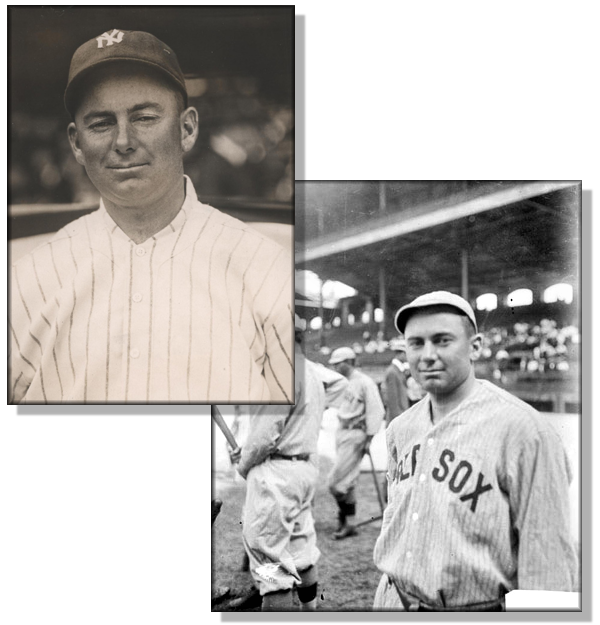
The shortstop on the 1912 Red Sox was Charles Francis “Heinie” Wagner. Fiercely loyal, the hardworking, quiet leader was respected by teammates, opponents, management and fans for the 12 years he called Boston and Fenway Park home.
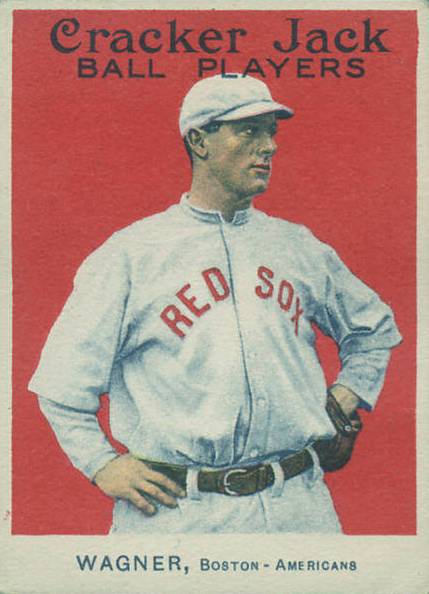
“Heinie” Wagner played 983 major league games in a career which spanned nearly the first two decades of the 20th century. All but 17 of those games were played in the uniform of the Boston Red Sox. He learned the game playing barefoot on the streets and sand lots of Harlem in the days when “King” Kelly ruled in Boston.
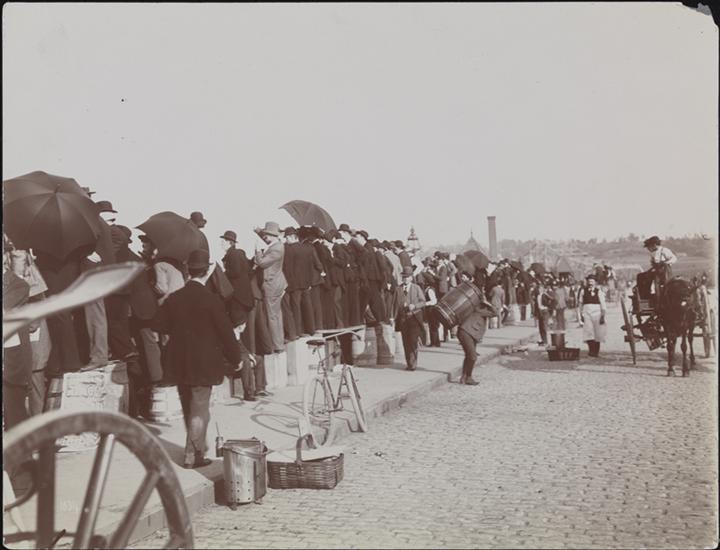
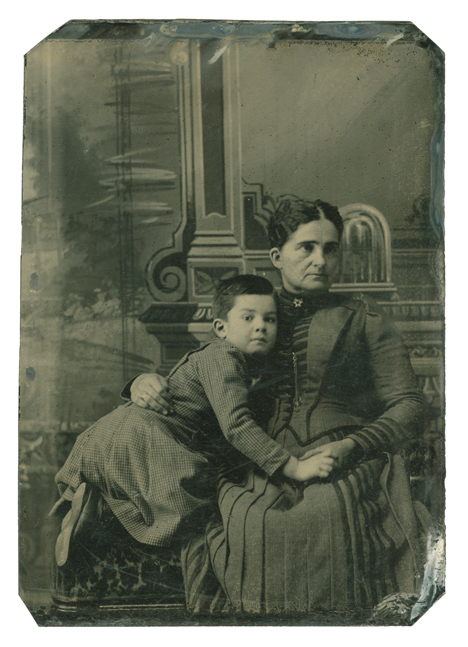
The Streets of Harlem circa 1895.

Turning professional in 1901 when he signed on with the Waverley Club of the New York State League and playing for a dollar a game, he caught the eye of New York Giants manager John McGraw. He played for the Giants in 1902 but McGraw was not impressed and he was released after playing only 17 games. He continued to play in the Eastern League and in 1906, he joined the Red Sox.
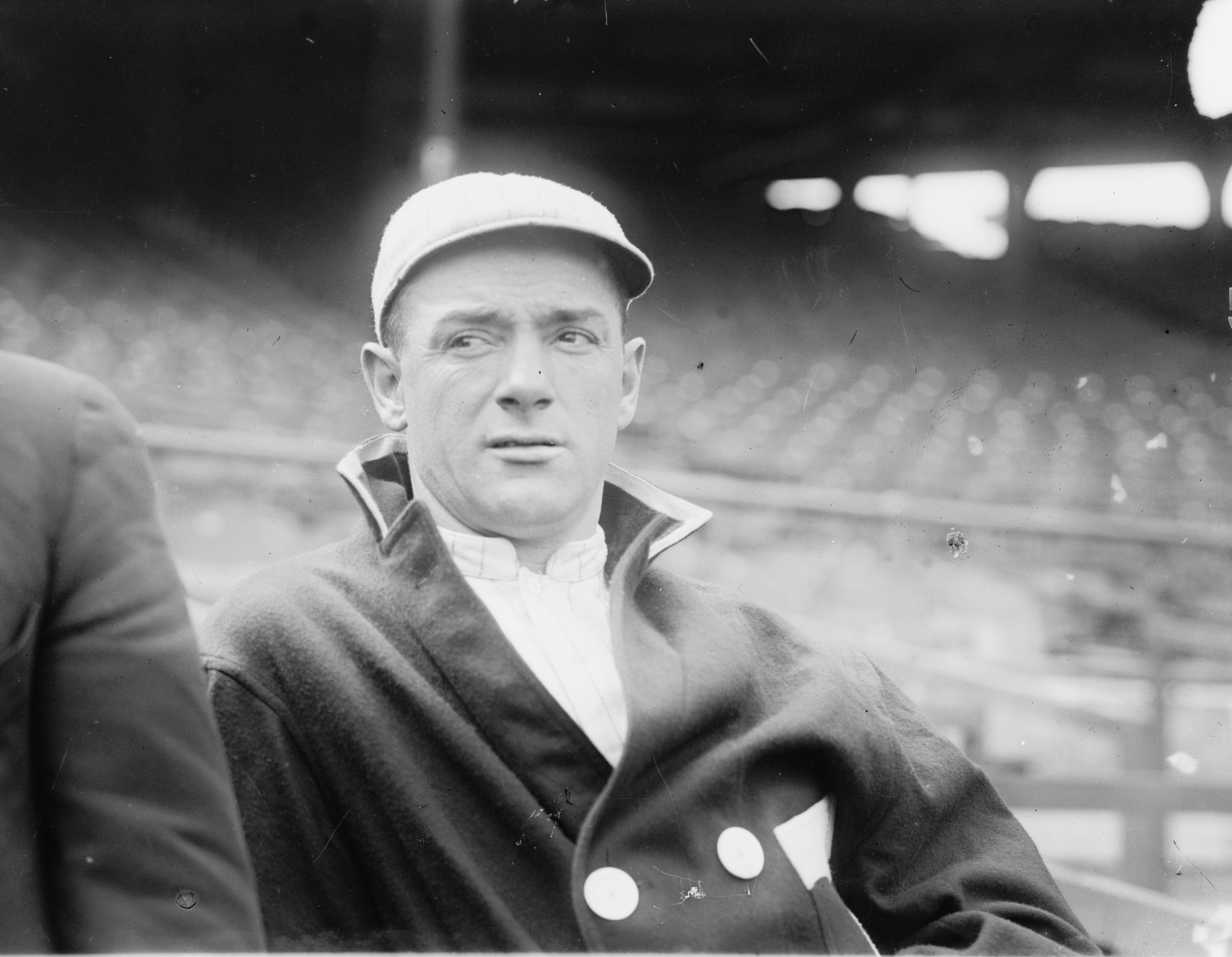
Known for a rifle arm and feet that on occasion would find their way entangled with runners rounding second base, Wagner was adept on the bases as well. A proficient basestealer, nearly a century after he retired, he remains fifth on the Red Sox all time list of stolen bases.
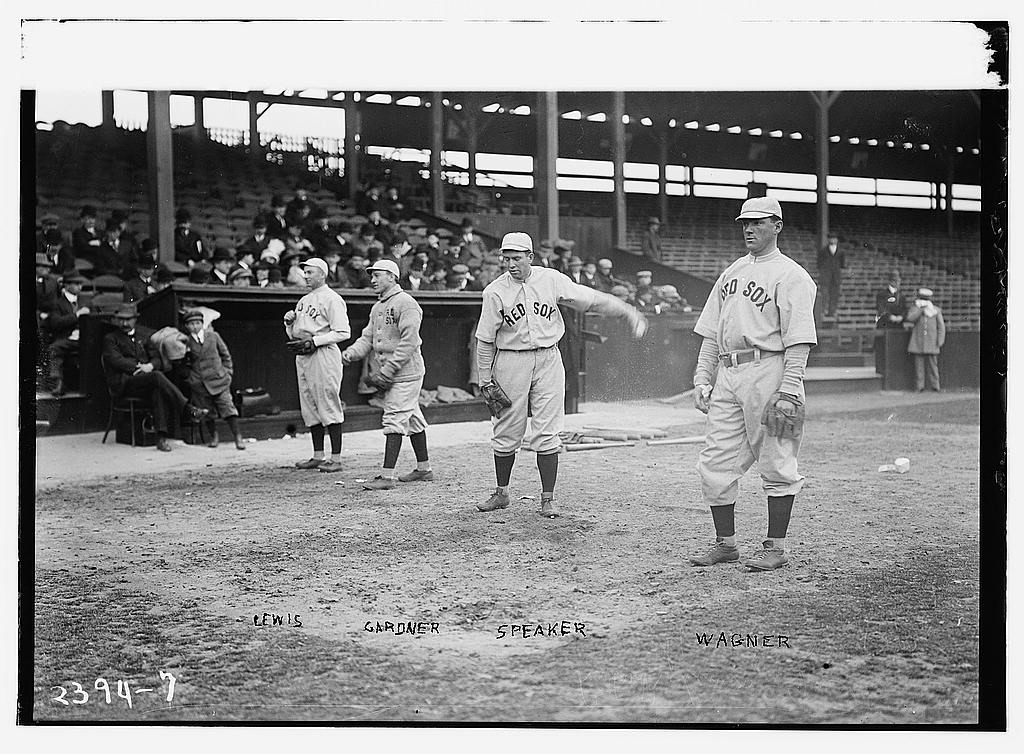
Duffy Lewis, Larry Gardner, Tris Speaker and Heinie Wagner, 1912.

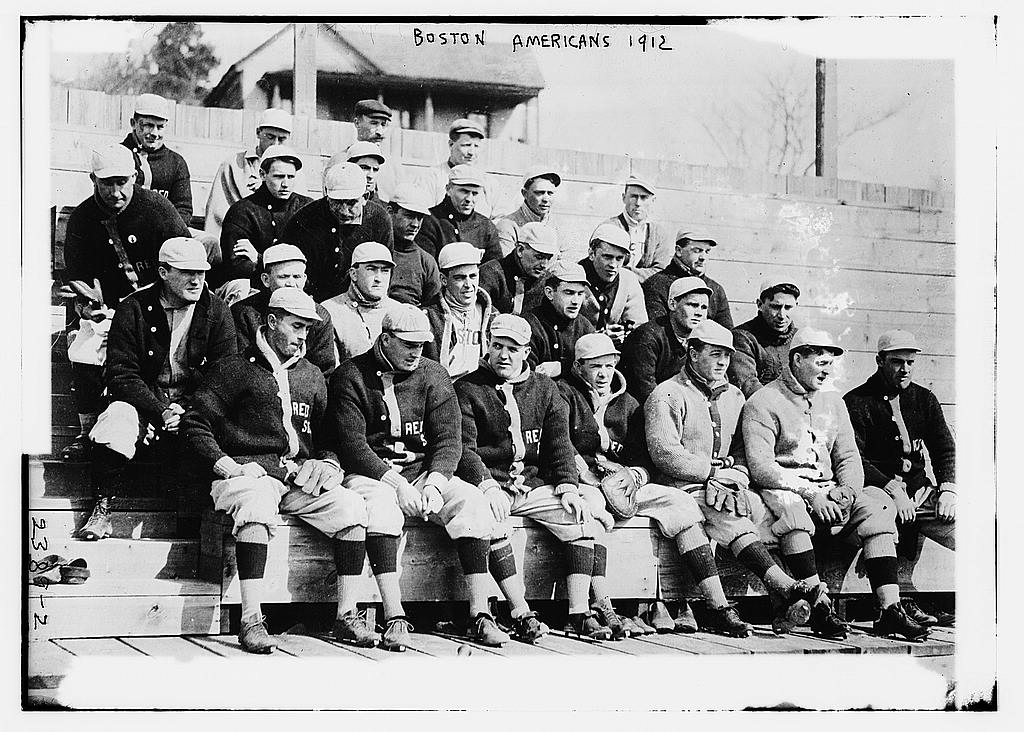
In Fenway’s inaugural season of 1912, player-manager Jake Stahl was one of 11 player-managers in the major leagues and thus there were virtually no captains named to the teams. However, Wagner was so highly respected that on a roster which was sprinkled with stars, future hall of famers and the manager himself, Stahl tabbed “Heinie” the captain of the squad. Heinie responded with the best season of his career, finishing 10th in the MVP balloting.
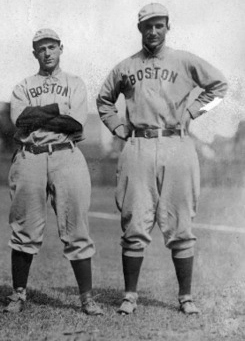
 Wagner and Stahl.

 Wagner provided a stabilizing influence when religious differences and ethnic strife ripped at the fabric of the teams of 1913, 14 and 15 and when a young kid named Ruth arrived in Boston and things began to get away from the budding icon, it was Wagner who was assigned to room with and keep and eye on the Babe. He retired as a player following the ’18’ season but returned to manage for a year in 1930.
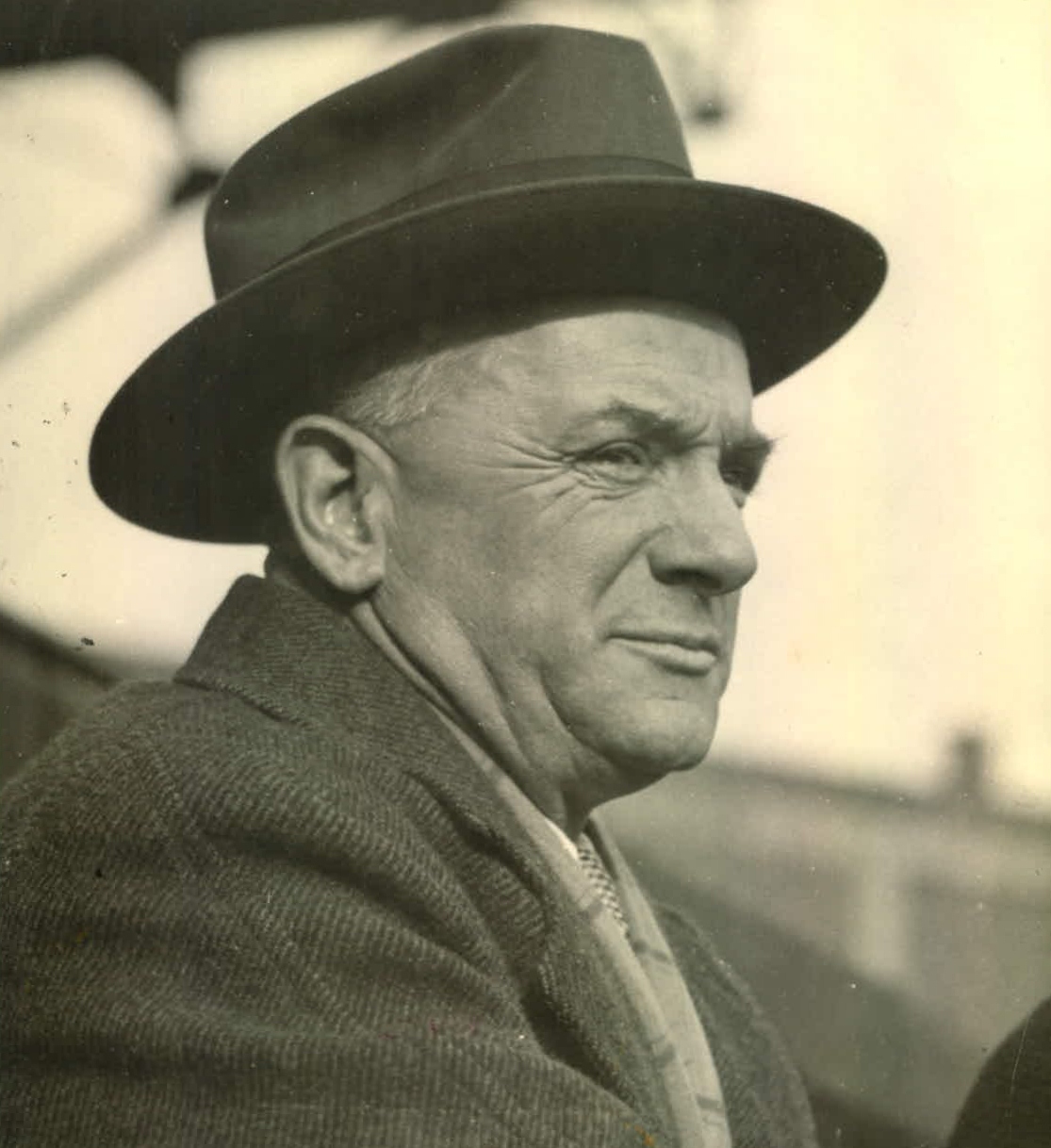
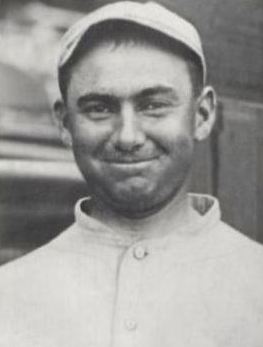
Heinie Wagner, 1930.

Following the 1930 season, Heinie left pro baseball for good. He went on to become the superintendent of a lumber yard in New Rochelle NY. He stayed involved in the game, coaching baseball teams for the New Rochelle police and fire departments and for the local Elks Club as well.

He passed away in March of 1943, a victim of heart disease, his place in Fenway Park history forevermore secure as Fenway Park’s first shortstop, her first captain and one of only two players in Red Sox history to win four World Championships in a Red Sox uniform!

    And so it was at this time in Fenway Park history, 1912-1918, Heinie’s time.
Posted in Fenway Park Baseball | Tagged , , , , , , | 2 Comments

“You might as well try to move a stone wall.” Jimmy Callahan

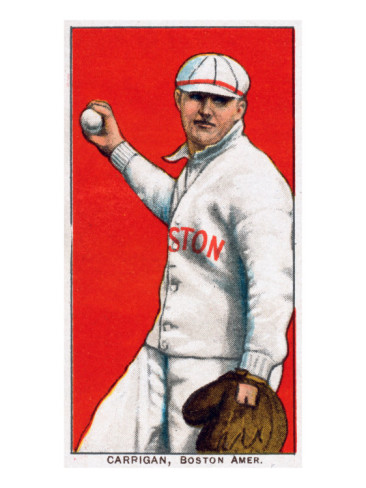
Okay troops, let’s recap a bit. Looking over the 1912 Boston Red Sox, we have met the entire pitching staff, the spectacular outfield of Lewis, Speaker and Hooper and the manager and first baseman, Jake Stahl. Well now let’s move into the infield and start with the man behind the dish, William Francis “Rough” Carrigan.

Any idea why they called him “Rough”?

Bill Carrigan was 28 years old and in his sixth season with the Boston Red Sox when Fenway Park opened her doors in 1912. Born and bred in Lewiston Maine, he was a first generation Irish Catholic immigrant whose parents immigrated before the Civil War. He attended college at Holy Cross where he played football and baseball. And it was there where he learned the trade of catching.

Known as an outstanding defensive catcher, with a pretty good stick, it was his toughness and refusal to back down that was his trademark.  An excellent receiver and handler of pitchers, he was steadfast and relentless when guarding the plate and it was in that capacity where his reputation for toughness grew. He was involved with several confrontations which were simply “witnessed” by teammates, similar to a hockey fight, as he never backed down and never lost.

He did the bulk of the catching for the 1912 Red Sox sharing it with three others along the way and it was old “Rough” who was behind the plate in Fenway Park’s first ever World Series game on October 9, 1912. Carrigan’s greatest impact on Fenway Park and the Red Sox came from 1914-1916. Following their record-setting, World Championship year of 1912, the Red Sox took a dive in 1913. The team was torn, believe it or not, with religious divisions between the catholics and the protestants. Carrigan was named the player-manager half way through the 1913 season and it was the respect that the players had for him that went a long way toward righting the Red Sox ship.

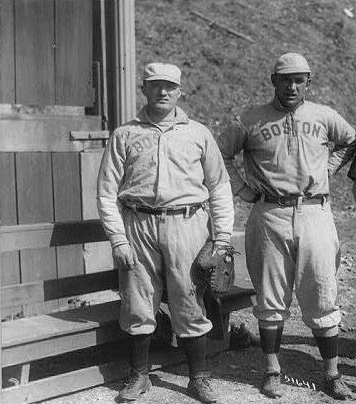
Carrigan (L) with Jake Stahl, the man he replaced as manager.

In 1914, Carrigan played a role in bringing Babe Ruth to Fenway Park and as the player-manager he led the Red Sox to back to back World Series wins in 1915 and 1916. He was the first and, until Terry Francona in 2004 and “07”, only Red Sox manager to capture successive World Championships.

Babe Ruth (L) said that Bill Carrigan was the best manager for whom he ever played.

Wanting to spend more time with his family, Carrigan retired from baseball following the 1916 season. He returned to his beloved Lewiston Maine and entered the banking industry where he enjoyed a very successful career. In 1968, a year before he died, he was inducted into the Holy Cross University hall of fame.

               And so it was at this time in Fenway Park history, 1912-1916, 

                                              “Rough” Carrigan’s time.


Posted in Fenway Park Baseball | Tagged , , , , , , | 1 Comment

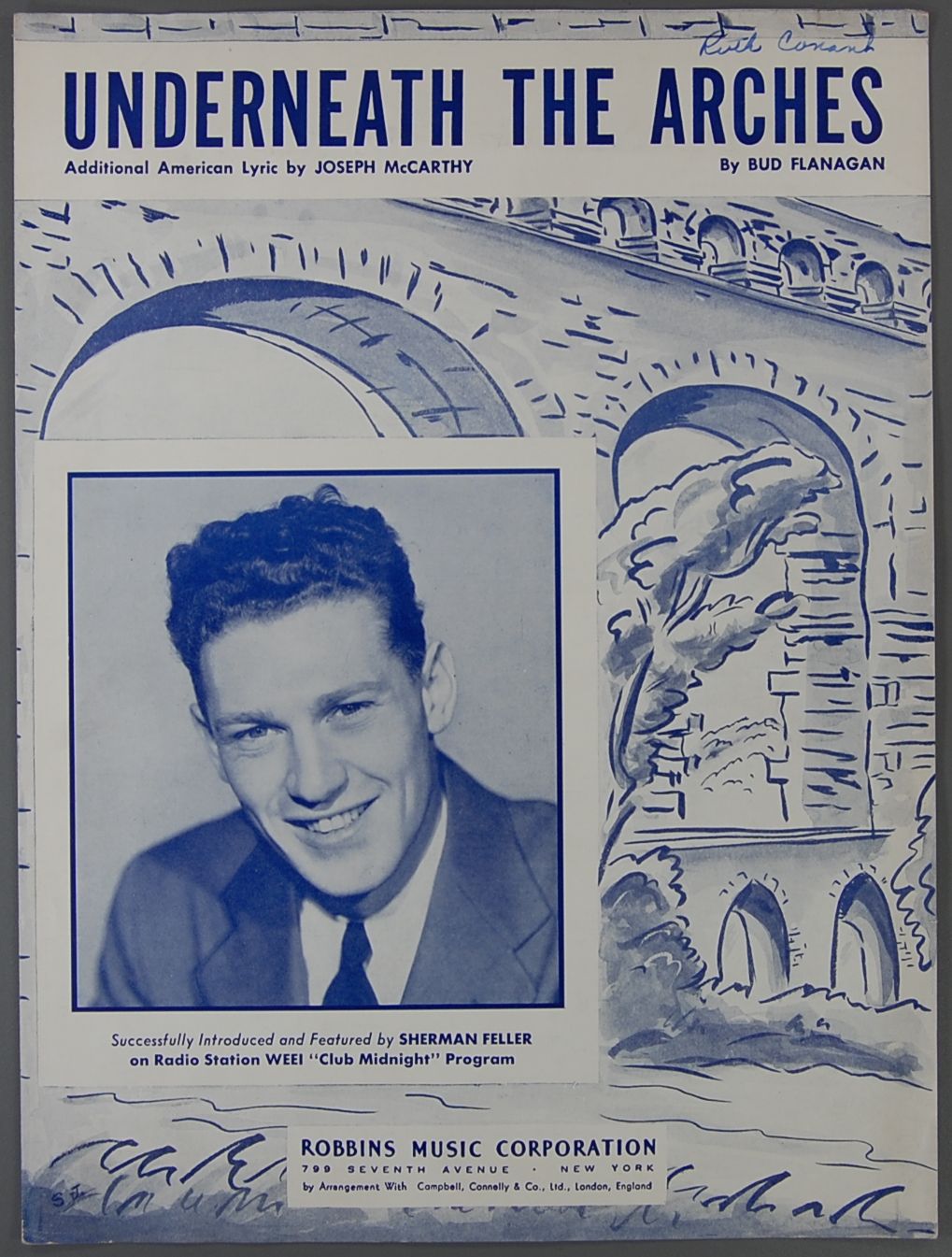
“Attention Please Ladies and Gentlemen, Boys and Girls, Welcome to Fenway Park.” Sherm Feller

SHERM FELLER

July 29, 1918-January 27, 1994

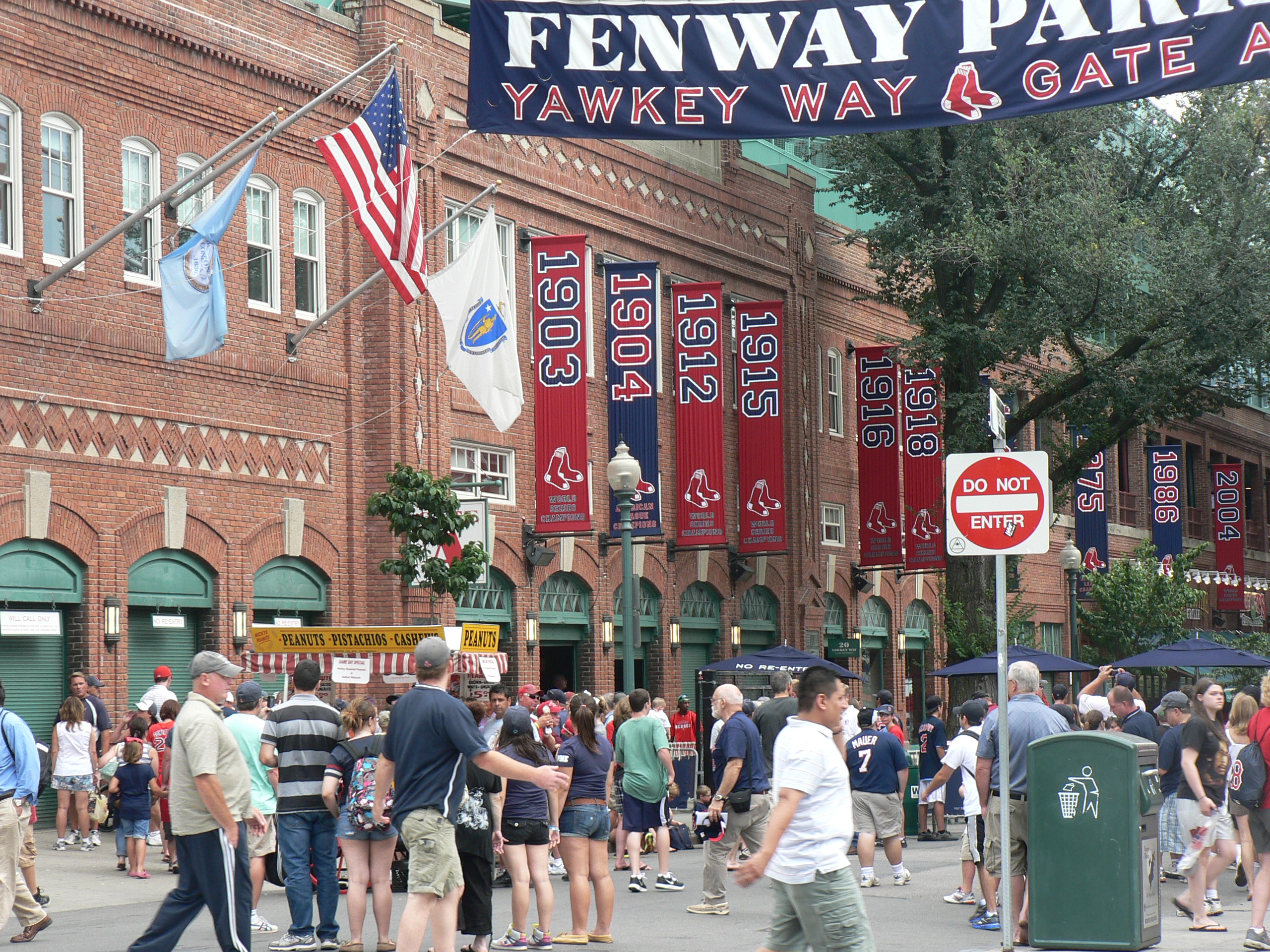
When a patron of Fenway Park purchases a ticket to a ball game, their intention is to go see “the Sox”. They will often check to see who they may see pitch, hope that they get to see this guy or that guy perform. However, very often, little thought is given to, shall we say, the entire “ballpark experience,” which today would include, the festivities on Yawkey Way…..


Or Landsdowne Street…..

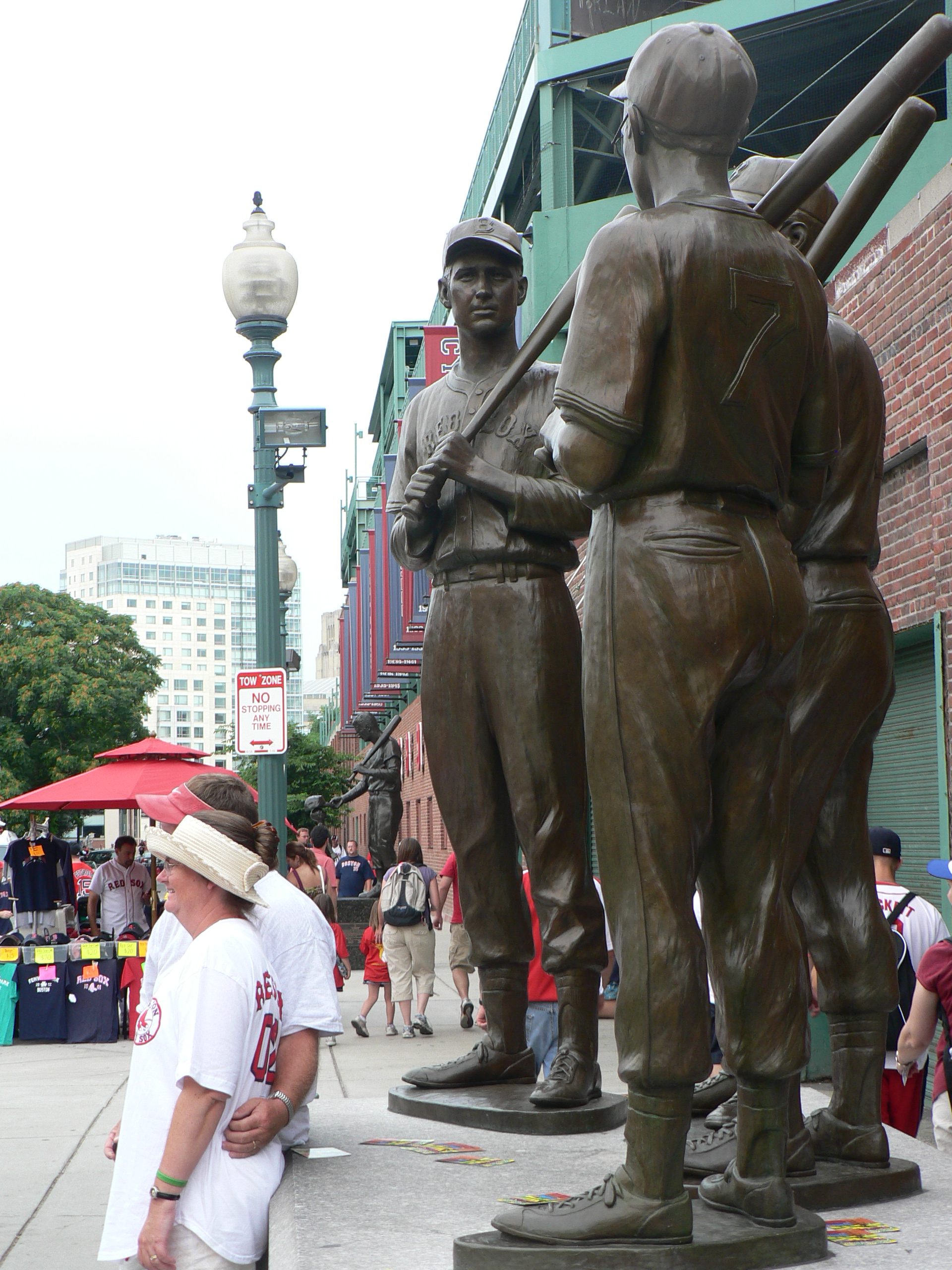
Or perhaps a visit to pay homage to the statues on the corner of Van Ness and Ipswich Streets.

In a not so far away time and for the better part of three decades, an essential part of the Fenway Park experience, was this man…..

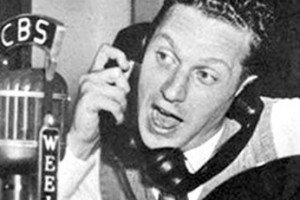
Sherm Feller………………………………………………………………………..

If you frequented Fenway Park at anytime from 1967 through the 1993 season, you were greeted by this voice,  http://www.shermfeller.com/ He was a perfect fit for the Fenway Park landscape of his time, no flair, no-nonsense, no gimmicks, just his voice, smooth, melodic, professional and welcoming.

When Sherm arrived for the 1967 season, he carried with him quite a resume, which dated back to the early days of WW II.  Working as an overnight announcer on WEEI in Boston, young Feller was called upon to fill up four hours of air time a night.

Taking full advantage of the myriad of Boston Night Clubs, Sherm began a litany of guests to his studio. Among them: Tommy Dorsey, Nat King Cole, Stan Kenton, Don Rickles, Frank Sinatra, Totie Fields, Hoagy Carmichael  and even the Wizard of Oz Scarecrow himself, Ray Bolger.

The quintessential renaissance man, Sherm was an accomplished musician and songwriter. Among his thousands of songs was a the top 40 hit, Summertime,  Summertime, by the Jamies.

                                http://www.youtube.com/watch?v=xeNAgBFmJpM

However, the musical piece of which he was most proud was his John Kennedy Symphony which was played by the Boston Pops in a birthday tribute to the fallen President.

When Sherm began his tenure as the voice of Fenway Park, he was paid twelve dollars a game and it cost him fourteen dollars in cab fare to get to and from work. His thoughts, “I really love the game.”

http://www.shermfeller.com/

Since 1954, when Frank Fallon became Fenway Park’s first “voice”, a total of five people have sat behind her microphone. For twenty-six years, that voice belonged to Sherm Feller. It is time that Sherm take his place in the Red Sox hall of fame. For nearly three decades he was as much a part of Fenway Park and the Red Sox as any player, coach or manager. And, with the exception of Johnny Pesky, he was around longer than any of them. And first and foremost, he loved the game, it’s time for the game and the Red Sox to love him back!

    And so it was at this time in Fenway Park history, 1967-93, Sherm’s Time.

Posted in Fenway Park Baseball | Tagged , , , , , , | 4 Comments

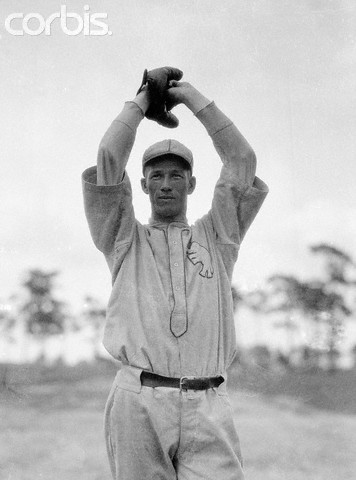
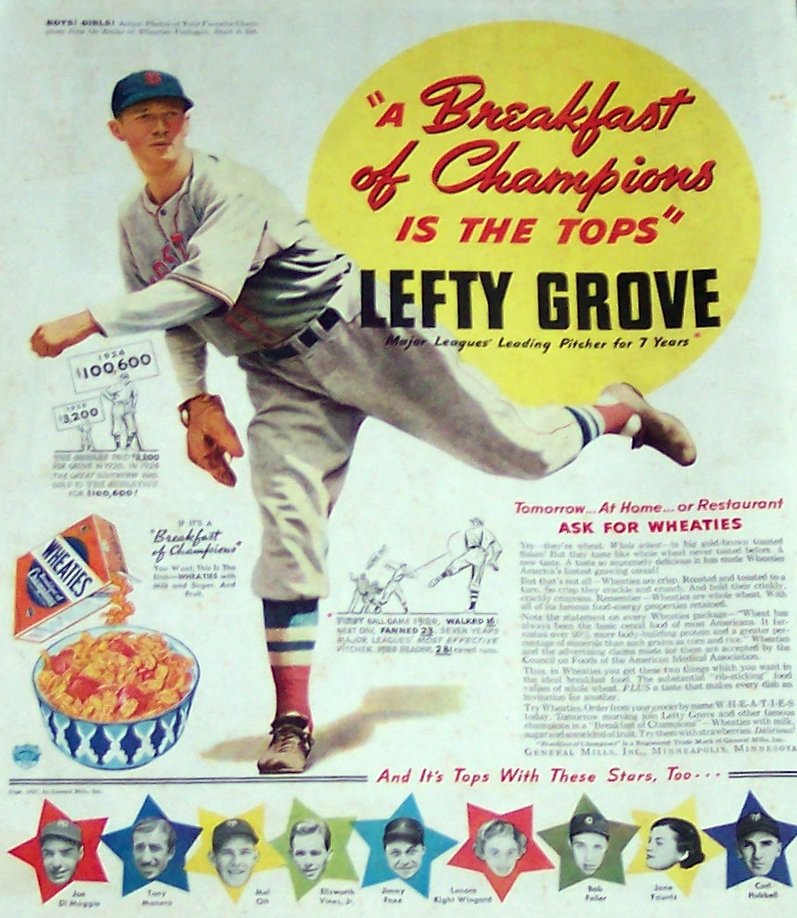
“I started thinking, and you know what happens when a lefthander gets to thinking.” Lefty Grove

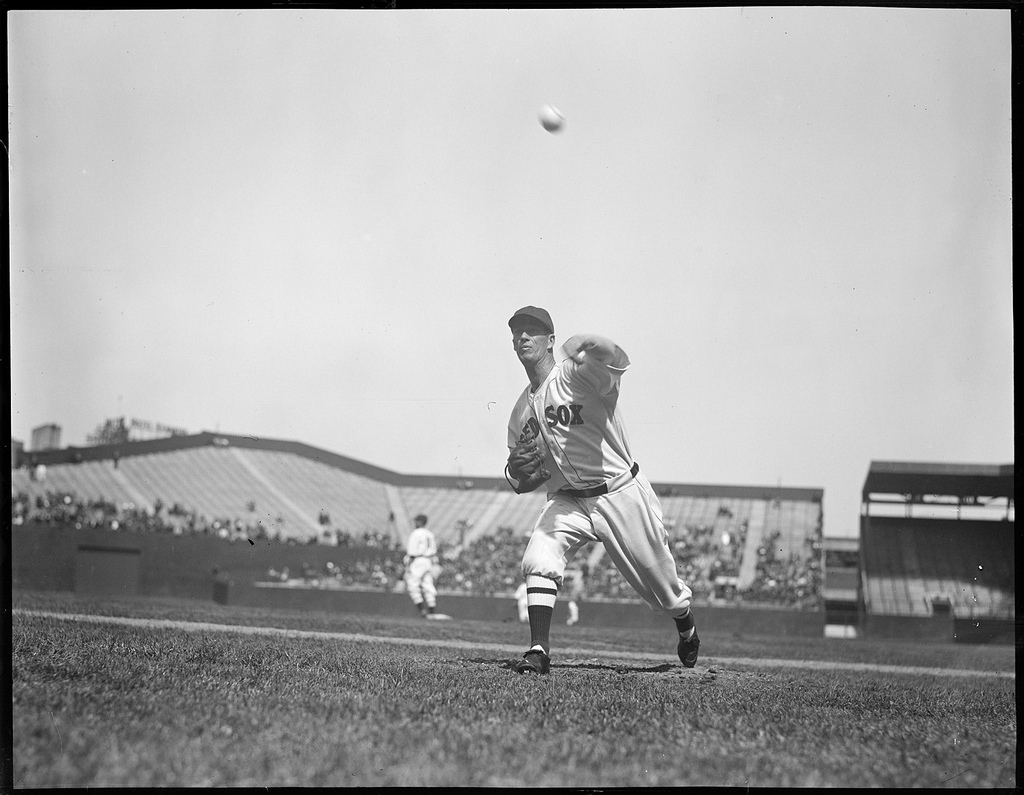
When Tom Yawkey purchased the Red Sox in 1933 he embarked on a two-pronged journey. First he began an extensive renovation of the 21-year-old Fenway Park and second he committed to restoring the Red Sox to respectability on the baseball field.

His first move toward respectability on the field was the acquisition of Robert Moses “Lefty” Grove from the Philadelphia Athletics.

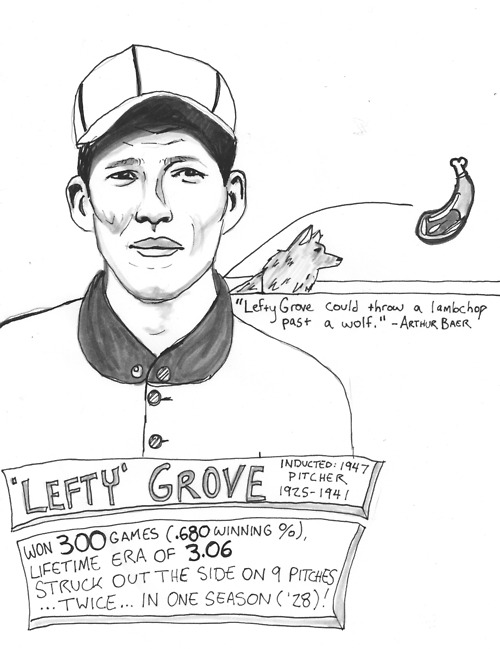
Grove was in the midst of seven consecutive 20 win seasons including back to back seasons in 1930 and 31 when he was 28-5 and 31-4! Let that sink in for a minute, a two-year stretch when he was an astounding 59-9! And he had led the league in ERA for four consecutive seasons as well. Oh, and in his 62 starts in those two years, he threw 49 complete games!

When “Lefty” Grove moved his home address to Fenway Park for the 1934 season, the Red Sox had not had a winning season since they were victorious in the 1918 World Series. Not only that, but in 1932 and 33 they won 43 and 63 games, the worst back to back seasons in their history.  “Lefty” was tabbed as the savior!

Things didn’t go all that well for “Lefty” as he came up with a sore arm in spring training and it dogged him all year. He went only 8-8 and despite the fact that the Red Sox won 13 more games than the previous year, hit the .500 mark at 76-76 and set a record in Fenway Park attendance, Grove felt the wrath of the Boston media and fans. Undaunted he righted himself and in 1935 he went 20-12, his eighth 20 win campaign.

Although Grove was clearly not the dominant pitcher with the Red Sox that he had been with Philadelphia, he still went 115-52 .689 in eight seasons in Boston and he won four ERA titles as well.

He pitched until the age of 41 and 1941 was his last season. In that last baseball season of innocence before the inception of WW II, Joe DiMaggio hit in 56 consecutive games and Ted Williams hit .406. Somewhat lost in the midst of that drama was Robert Moses “Lefty” Grove’s 300th career win.

On July 25, 1941 in a game against the Cleveland Indians at Fenway Park, “Lefty” Grove pitched a complete game, 12 hit, 10-6 victory to become baseball’s twelfth 300 game  winner. A dozen  pitchers since have joined that elite group but none of them boast a better winning percentage than Grove.

Baseball pundits today will still place “Lefty” Grove in the discussion of baseball’s most dominant pitchers. His ultimate reward came on January 22, 1947 when, in his first year of eligibility, he was elected to the National Baseball Hall of Fame in Cooperstown!

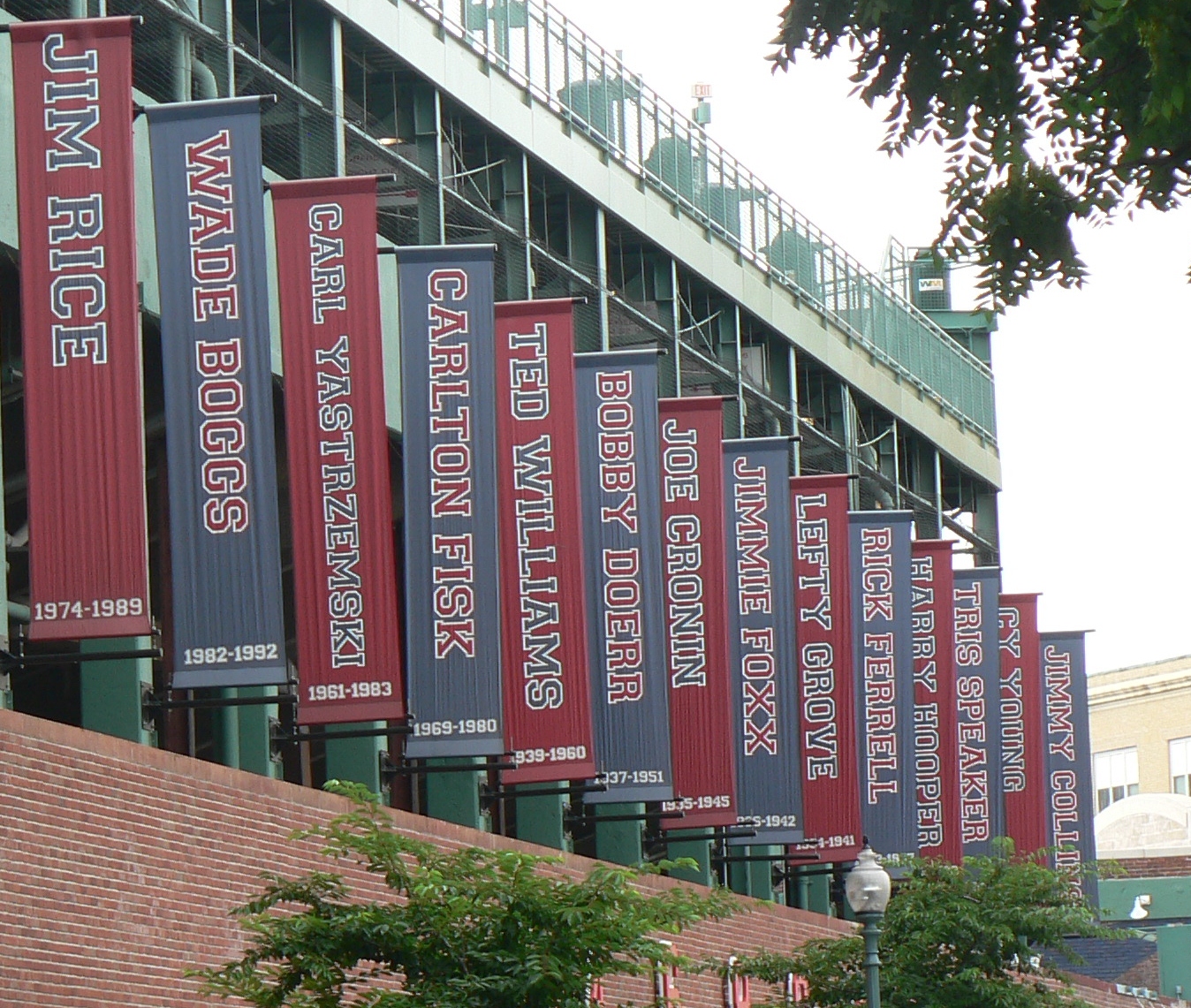
His place in Fenway Park history is forever preserved as his banner waves in honor on Van Ness Street, a reminder of his role in restoring respectability to the Red Sox in the early years of Tom Yawkey.

      And so it was on this date in Fenway Park history, January 22, 1947.

Posted in Fenway Park Baseball | Tagged , , , , , , | 2 Comments

Rounding Out the Pitching Staff with the Rest of the Boys…..

In 1912, the Boston Red Sox pitchers pitched a total of 1,362 innings. The five gentlemen we have already met, Wood, Bedient, O’Brien, Collins and Hall pitched 1, 241 of them! However there were six other pitchers who saw action at Fenway Park in 1912 and they accounted for the remaining 121 innings. So let’s meet them in order of innings worked.

First off is Mr. Larry Pape. Pape appeared in 13 games for the Red Sox in 1912, starting two of them. He was 1-1 and hurled a total of 46 2/3 innings. His major league career lasted three years, all with Boston and ended following the 1912 season. He never pitched in the World Series and he passed away in 1918 on his 33rd birthday, a victim of stomach cancer.

Next is Mr. Eddie Cicotte. Cicotte pitched for the Red Sox from 1908 into 1912. He displayed flashes of brilliance however, he never quite developed the way Red Sox ownership felt he should. He fell into disfavor and after a 1-3 start in 1912 he was sold to the White Sox in July of Fenway’s inaugural season. He earned the moniker “Knuckles” as he was one of the first big league pitchers to master the knuckleball and he also gained infamy during the “Black Sox” scandal of 1919 when he took $10,000 from gamblers to tank the World Series. One of the “eight men out” banned from baseball forever, he lived out his years as a strawberry farmer in Michigan. “I did wrong” he said “and I paid for it for 45 years.” When he died in 1969, his death certificate read, occupation, baseball player.

Benjamin Harrison Van Dyke (no relation to Dick of TV and movie fame) pitched in five major league baseball games. Three of them, totaling 14 1/3 innings, for the Boston Red Sox in Fenway Park’s birth year, 1912. He had no career decisions.

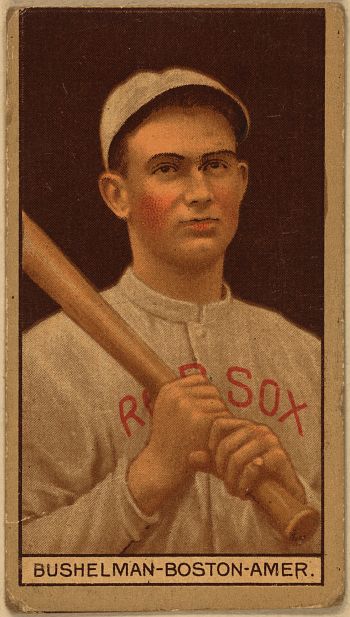
John Francis Bushelman’s career was a bit longer than Benny Van Dyke’s. He pitched three seasons for a total of 26 2/3 innings but history will record that he notched one major league win, coming during Fenway Park’s very first season. Jack toiled for nine seasons in the minor leagues winning 115 games.

Douglass Weldon Smith’s major league baseball career began and ended on July 10, 1912, a three inning stint at Fenway Park against the Detroit Tigers in which he surrendered one run. He was not involved in the decision, a 6-5 Tigers win. He never pitched in the minor leagues.

Joe Wood (L) and Casey Hageman.

Kurt Moritz “Casey” Hageman, was another with an abbreviated major league baseball career. He pitched in three seasons with the Red Sox, Cardinals and Cubs amassing a 3-7 record in 32 games. His contribution to the 1912 Boston Red Sox totaled one and one third inning pitched. Casey pitched seven seasons of minor league ball and while pitching for the Grand Rapids Stags in the Ohio State League in 1909, he fatally beaned Dayton second baseman Charles “Cupid” Pickney. No doubt a contributing factor to his abbreviated career.

“Smokey Joe Wood, “Buck” O’Brien, Hugh Bedient, Ray Collins and Charley Hall carried the pitching load for the 1912 World Champion Boston Red Sox. Together they threw 117 complete games and made 46 relief appearences.

However the names of: Larry Pape, Eddie Cicotte, Ben Van Dyke, Jack Bushelman, Doug Smith and Casey Hageman are forever etched in history as part of Fenway Park’s inaugural season. The season of 1912.

  And so it was at this time in Fenway Park history, 1912, her very first year.


Posted in Fenway Park Baseball | Tagged , , , , , , , , , , , , , , , | Leave a comment

Carlos Luis “Charley” Hall…..The Sea Lion.

We have met the four main cogs of the Red Sox rotation of 1912, “Smokey” Joe Wood, Hugh Bedient, “Buck” O’Brien and Ray Collins. There was a fifth man in the mix and his name was Charley Hall.

Now before we get into that, we need to understand a couple of things about pitching. Today pitching is done with a five man starting rotation which means that a starting pitcher will pitch every sixth game. There are 7th inning specialists, 8th inning specialists and then of course the closer. That 9th inning shutdown guy who comes into the game in the ninth inning when his team is ahead by one, two or three runs.  

In 1912 there was a four man starting rotation so they pitched every fifth game. The job of the starter was to pitch a complete game and every starter would, at various times throughout the season, appear in relief.

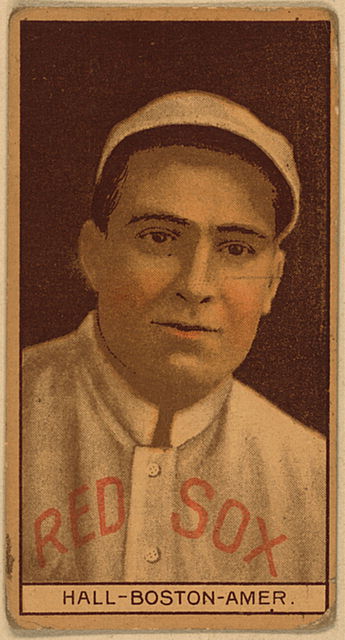
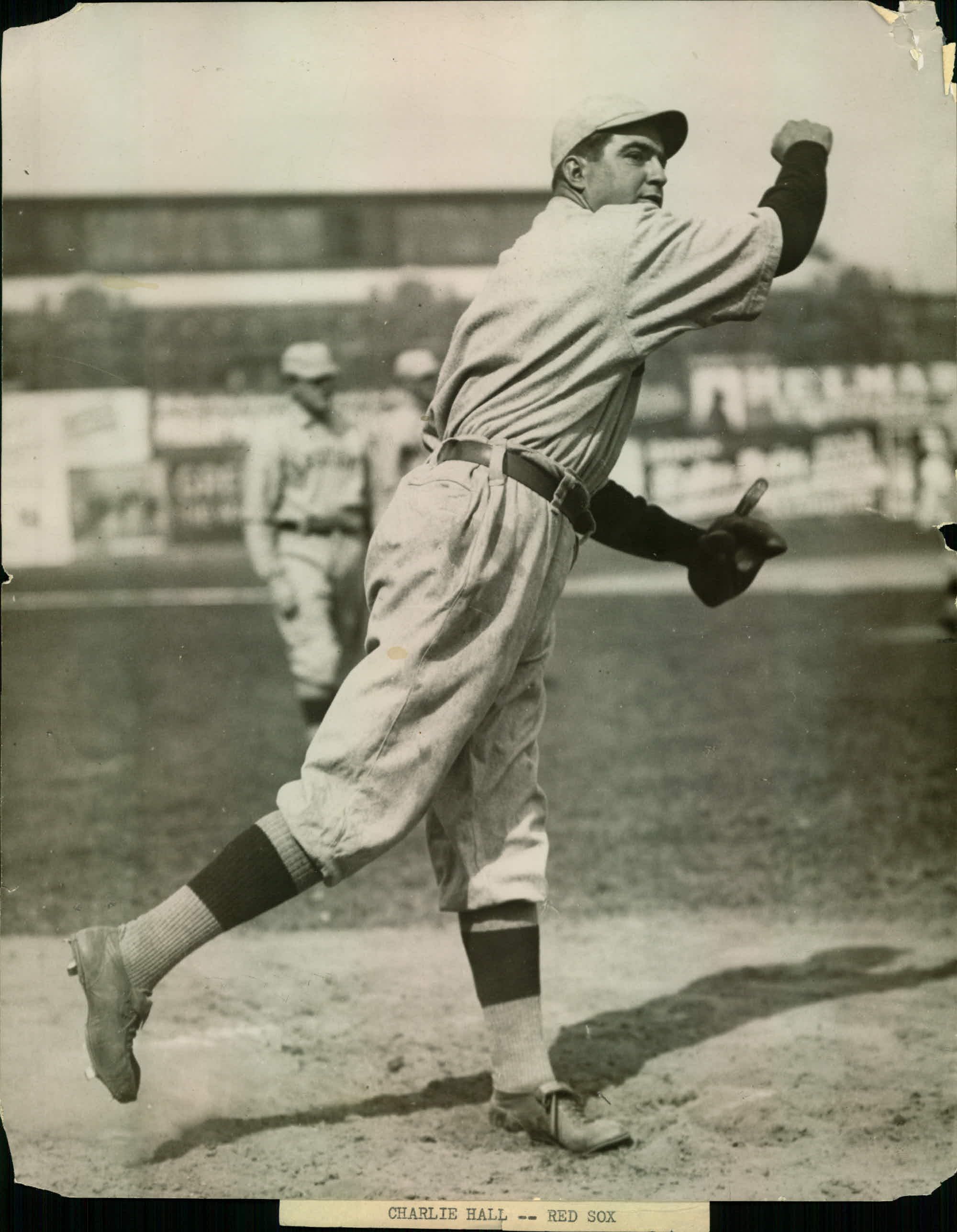
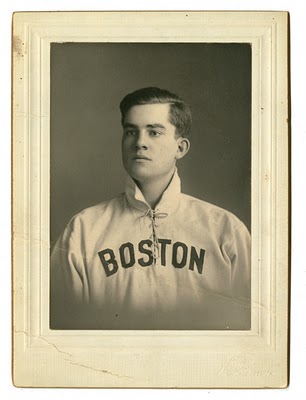
Carlos Luis “Charley” Hall, earned the nickname “Sea Lion” because he was said to have a voice like a walrus. He pitched in the major leagues in nine different seasons. Five of them were with the Red Sox and his best one was Fenway Park’s inaugural season of 1912. Filling the slot in the rotation left by the injured Ray Collins, it was “Charley” who was the winning pitcher in the first game ever played at Fenway Park. Relieving “Buck” O’Brien in the eighth, he was the beneficiary of the Red Sox 11 inning win. He went 15-8 on the year and pitched twice in the 1912 World Series.

 Pitching 8 innings of relief in an 11-4 World Series loss, Hall gained a sliver of immortality as he is the only relief pitcher in World Series history to get three hits in a game, going 3 for 3.

His last game in the bigs was in 1918 with the Tigers but he pitched in the minor leagues through the 1925 season. He totaled 18 seasons of minor league ball winning 285 games. Among them were five no-hitters, one which he lost in 12 innings.

Following his baseball career he went home to Ventura California where he became a police officer. He passed away in 1943 at the at the age of 59, his place in Fenway Park history secure as a member of Fenway Parks first ever World Champions, the 1912 Boston Red Sox.

 Charley Hall, arms folded over the A in Arlington, with the Red Sox in Hot Springs Arkansas in the spring of 1912.

And so it was at this time in Fenway Park history, 1912 and 13, Charley’s time.
Posted in Fenway Park Baseball | Tagged , , , , , , , | 1 Comment

Ray Collins, “he is one of the best pitchers in the American League — one of the two or three best left-handed pitchers in the business.” Clark Griffith

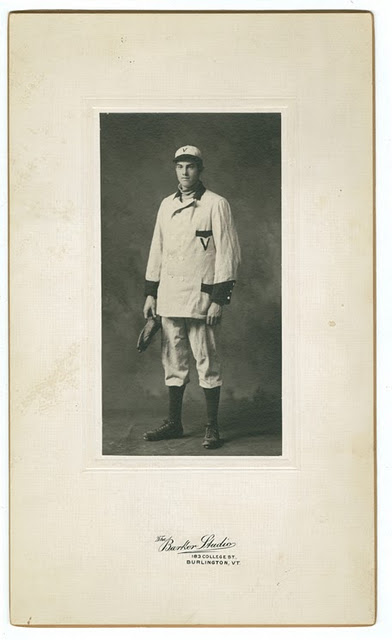
The fourth man in the Red Sox pitching rotation in 1912 was a 25-year-old southpaw from Vermont named Ray Williston Collins.

Born in Colchester Vermont, this 6′ 1″, 185lb left-hander had New England roots that literally went back to the beginning and then some. He was a ninth generation descendant of Governor William Bradford. You may remember him of Plymouth Colony fame. His great, great-grandfather was Captain John Collins who ran around with a guy named Ethan Allan, he of  the”Green Mountain Boys” and the American Revolution. As a matter of fact great, great Grandpa John was one of the original settlers of Burlington Vermont and old Ethan actually stayed at his house while he was building one of his own.


 Three year old Ray Collins and mom.

Ray was a sensation at the University of Vermont and in amateur leagues throughout New England. He once struck out 21 batters in a game playing for Newport New Hampshire in the Interstate League.  At the University of Vermont he played with Larry Gardner, who would also become a teammate with the 1912 Red Sox. 

University of Vermont 1905

He joined the Red Sox in 1909 following his graduation from UVM and he had an auspicious beginning to his professional baseball career. It was July 19,1909 when he took to the mound in relief against Cleveland. His opponent was none other than Cy Young and the game also featured baseball’s first ever unassisted triple play, executed by Cleveland shortstop Neil Ball. Four days later he made his first start and two days after that he threw his first shutout beating the Tigers on three hits, on one days rest!

Ray cracked the Red Sox rotation in 1910 and in Fenway Park’s inaugural season of 1912; he was 13-8 despite being sidelined into June owed to a spike wound he received in spring training. His first win came on June 22 and for the rest of the season he was virtually invincible. By season’s end his was the number two pitcher on the staff behind “Smokey” Joe Wood and in that capacity, Ray Williston Collins was the starting pitcher in game two of the 1912 World Series, the first World Series game ever played at Fenway Park!

Ray Collins warms up October 9, 1912 at Fenway Park, Fenway’s first World Series game.

He won 19 games in 1913, 20 in 1914 and slipped to a 4-7 mark in 1915. In January of 1916 stating that he was “discouraged by his failure to show old-time form”, Ray Collins retired from professional baseball, he was 29 years old. He returned to his Vermont home and lived out his days as a dairy farmer, a patriot, an active supporter and alum of the University of Vermont and recognized by one and all as a pillar of his community.

 In April of 1962, crippled with arthritis, Ray Collins joined members of the 1912 team at Fenway Park in a reunion celebrating the 50th anniversary of Fenway’s first championship team. He passed away in 1970 and was laid to rest in the Vermont soil he loved, his place in Fenway and Red Sox history evermore preserved as the man who started the first ever World Series game at “America’s Most Beloved Ball Park”!

And so it was at this time in Fenway Park history, 1912-1915, Ray’s time.


Posted in Fenway Park Baseball | Tagged , , , , , , , | Leave a comment

“Pay another buck and travel first class.” George “Duffy” Lewis

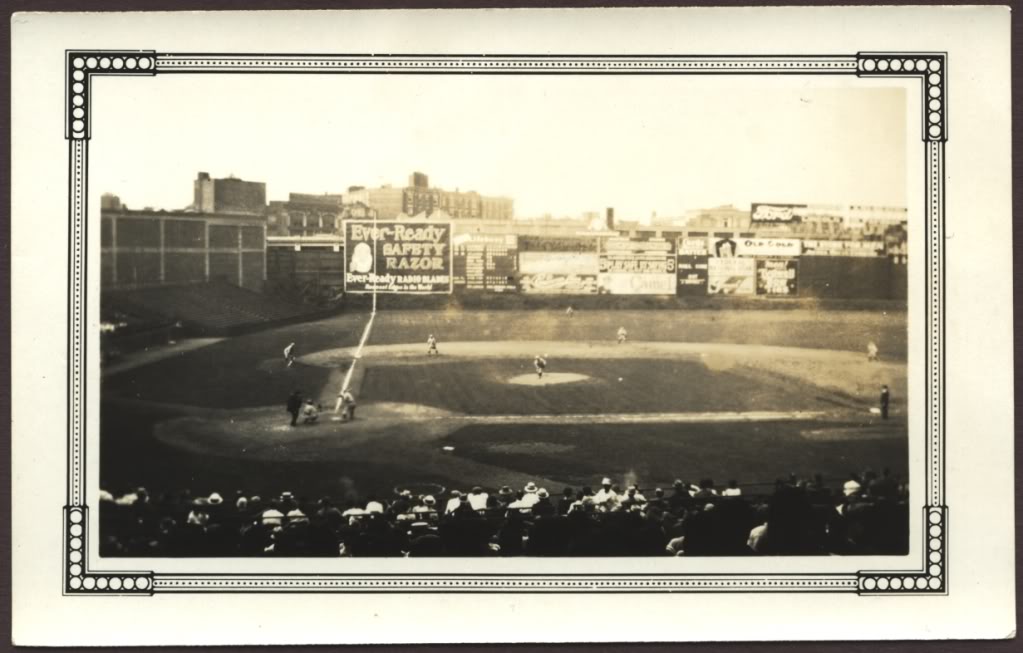
The signature of Fenway Park is without a doubt the “Green Monster” or “Monstah” as the locals say. Constructed during Fenway’s renovation in 1934, it may well be the most recognizable feature of any sports venue in American history. 

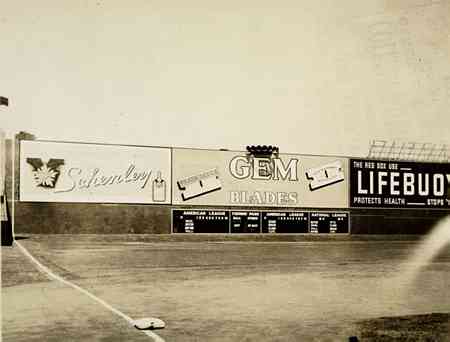
Well even before the “Monstah”, the left field wall was the signature of the ball park; however, not because of the 25 foot wooden fence, but the 10 foot rising incline before it, which came to be known as “Duffy’s Cliff”.

Fenway Park 1925

Duffy’s Cliff named after this man,

George Edward Lewis.

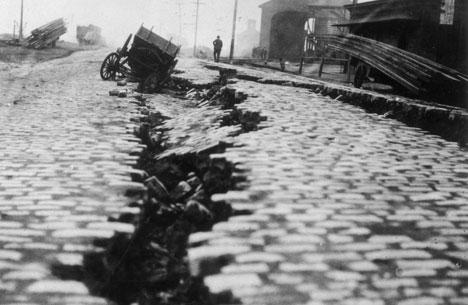
Born in San Francisco “Duffy” garnered his nickname from his mother’s maiden name. He celebrated his 18th birthday in San Francisco which happened to be the same day the famous earthquake of 1906 hit and virtually destroyed the entire city. Duffy said, “I thought the world was coming to an end.” Actually, his world was about to open up.

He played one year of college baseball at St. Mary’s before being signed by Red Sox owner John I Taylor and the spring of 1910 found him in Hot Springs Arkansas with the Boston Red Sox.

Duffy Lewis, 2nd from the right, second row from the top.

Brash, confident and outspoken, Duffy did not endear himself to the veterans on the squad, particularly Tris Speaker. He refused to adhere to the “rookie rules” regarding less time in the batting cages and he shunned the custom of deferring to the veterans.

Lewis worked tirelessly at mastering the “cliff”. He was always looking for someone to hit him fly balls so he could practice catching them running up the hill. He actually said the most difficult aspect of it all was throwing the ball in from off the cliff.

He never bridged his rift with Speaker, but it never interfered with their play on the field. They contained their fighting to the clubhouse and for decades the Red Sox outfield of Lewis, Speaker and Hooper was referred to as the best outfield in history.

Lewis played with the Red Sox through the 1917 season and in fact in the 1915 World Series he had what Boston Globe sportswriter Tom Murnane said was a series that “had never been equalled.” He hit .444 and drove in five of the Red Sox 13 runs on their way to the World Championship against the Phillies.

He served in the Navy in 1918, missing the baseball season and during that winter was traded to the Yankees. A friendly and generous man, he was known as a big tipper even after the stock market crash of 1929 wiped out his life savings. He coached for the Boston Braves from 1931 -1935 and in that capacity, he witnessed Babe Ruth’s 714th and last home run. He also saw his first at the Polo Grounds in May of 1915.

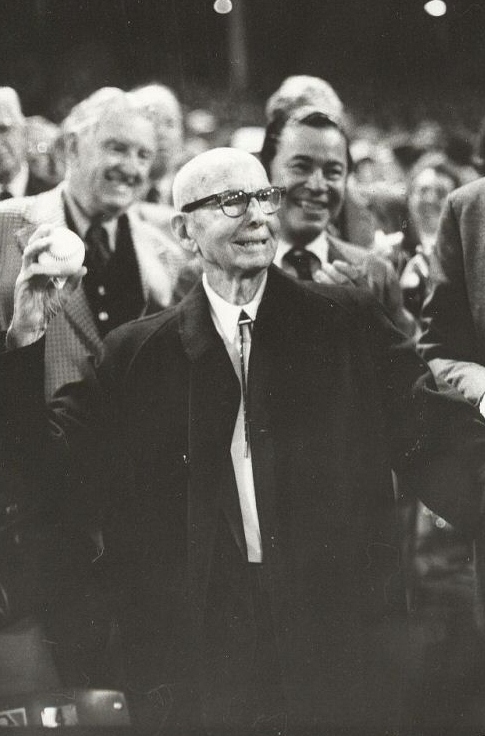
Duffy, 87 years old,  throws out the first pitch of game six of the 1975 World series at Fenway Park.

Duffy Lewis spent the later years of his life in Salem New Hampshire, visiting Fenway often. A frequent visitor to the Rockingham Park horse track, he died in 1979, three years after his wife Eleanor. He left no known living relatives and no money and he was buried in an unmarked grave in Holy Cross cemetary in Londonderry New Hampshire.

That situation was rectified in 2001, through the generosity of many who made private donations to honor the memory of “Duffy” Lewis.

      And so it was at this time in Fenway Park history 1912-1917, Duffy’s time.


Posted in Fenway Park Baseball | Tagged , , , , , , , | Leave a comment

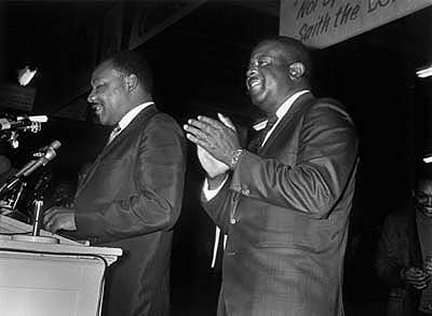
“The man who has found nothing worth dieing for, is not fit to live.” Martin Luther King

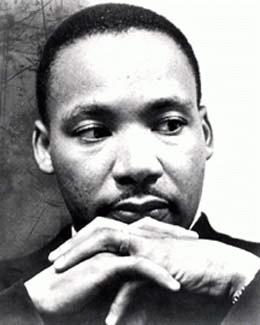
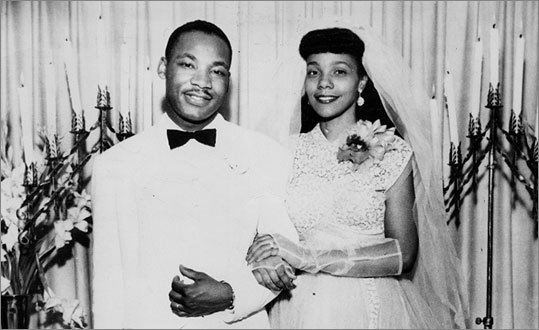
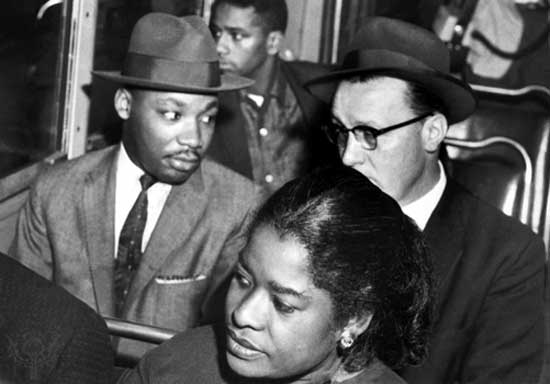
Martin Luther King, January 15, 1929-April 4, 1968.

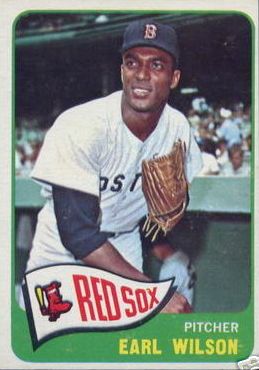
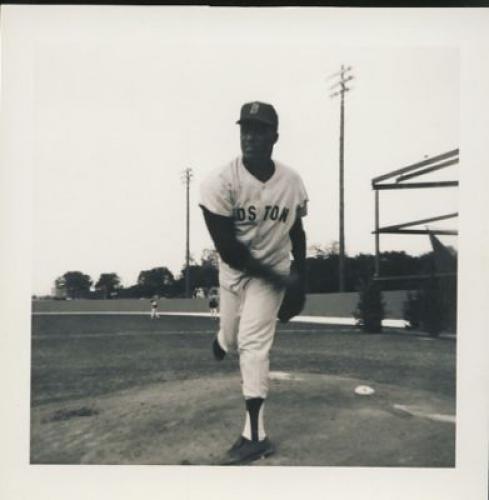
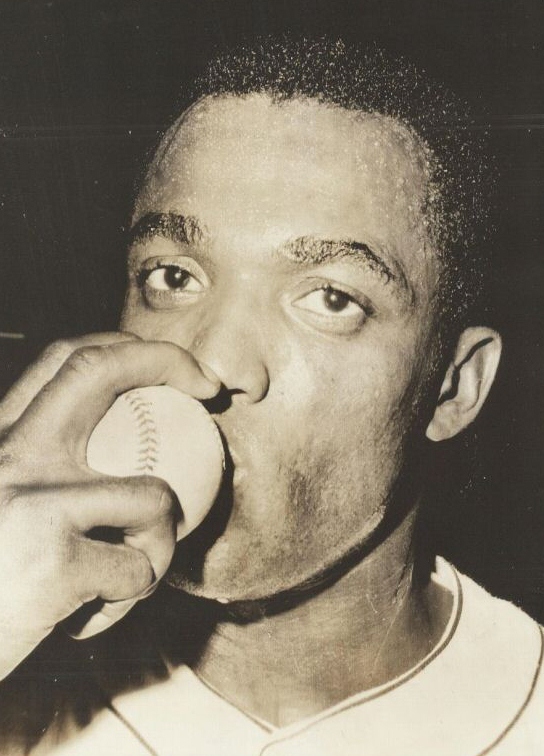
 Earl Lawrence Wilson, October 2, 1934-April 23, 2005

Martin Luther King was named pastor of the Dexter Street Baptist Church in 1954 and graduated from Boston University in 1955 with a doctorate degree in systematic theology.

Earl Wilson signed with the Boston Red Sox in a May of 1953, the first black man to sign as a player with the Boston Red Sox.

Martin Luther King met Coretta, a music student, while studying in Boston and in June of 1953 they married.

Earl Wilson was originally signed as a catcher and in 1953 he played with the Bisbee-Douglas Copper Kings in the Arizona/Texas League. He had trouble throwing the ball to second base from behind the plate because it tailed too much, so he was converted to a pitcher.

In 1955, Martin Luther King emerged as the national spokesman for a movement when a young black lady by the name of Rosa Parks refused to give up her seat on the bus in Montgomery Alabama. Under his leadership, spawned the Montgomery Bus Boycott of 1955 and ’56’, and the face of America was changed forever.

Earl Wilson, in 1955, played for the Montgomery Rebels in the South Atlantic (Sally) League. He pitched 127 innings, went 6-7 with a 4.75 ERA and he walked a lot of hitters.

Martin Luther King’s journey took him through, Birmingham and Selma, Albany and St. Augustine. It took him to the steps of the Lincoln Memorial from where his words echo through history and it took him to Memphis Tennessee where his eloquent voice was silenced. 

Earl Wilson’s journey took him through El Paso and San Jose, Montgomery and Albany NY, Minneapolis and then to Fenway Park where in 1959 he joined “Pumpsie Green” who had preceded him by a week and they integrated the Boston Red Sox!

Martin Luther King wove himself into the “mystic chords of memory” of our nation by summoning what Abraham Lincoln called the “better angels of our nature.”

Earl Wilson wove himself into the fabric of Fenway Park history by providing a shining example of excellence both on and off the field. On the field he became the first black pitcher in the history of the American League to throw a no-hitter and he hit a home run in the game as well. Off the field he would never bend, never bow, never yield!

The voice of Dr King may have been silenced but his words are eternal. He once said, “all life is interrelated, that somehow we’re caught in an inescapable network of mutuality tied in a single garment of destiny. Whatever affects one directly affects all indirectly. For some strange reason, I can never be what I ought to be until you are what you ought to be. You can never be what you ought to be until I am what I ought to be.”

I don’t know if Dr. King and Mr. Wilson ever met. But I do know that they each chose their path, and when the events of their lives swept them to places they never dreamed they would be, they answered, they stood up and they persevered; striving to be what they “ought to be.”

May this day bring each of us the pursuit of what we “ought to be.”

                              And so it is on this day in Fenway Park history,

                                            Martin Luther King Day 2012.


Posted in Fenway Park Baseball, Fenway Park Other | Tagged , , , , | 2 Comments

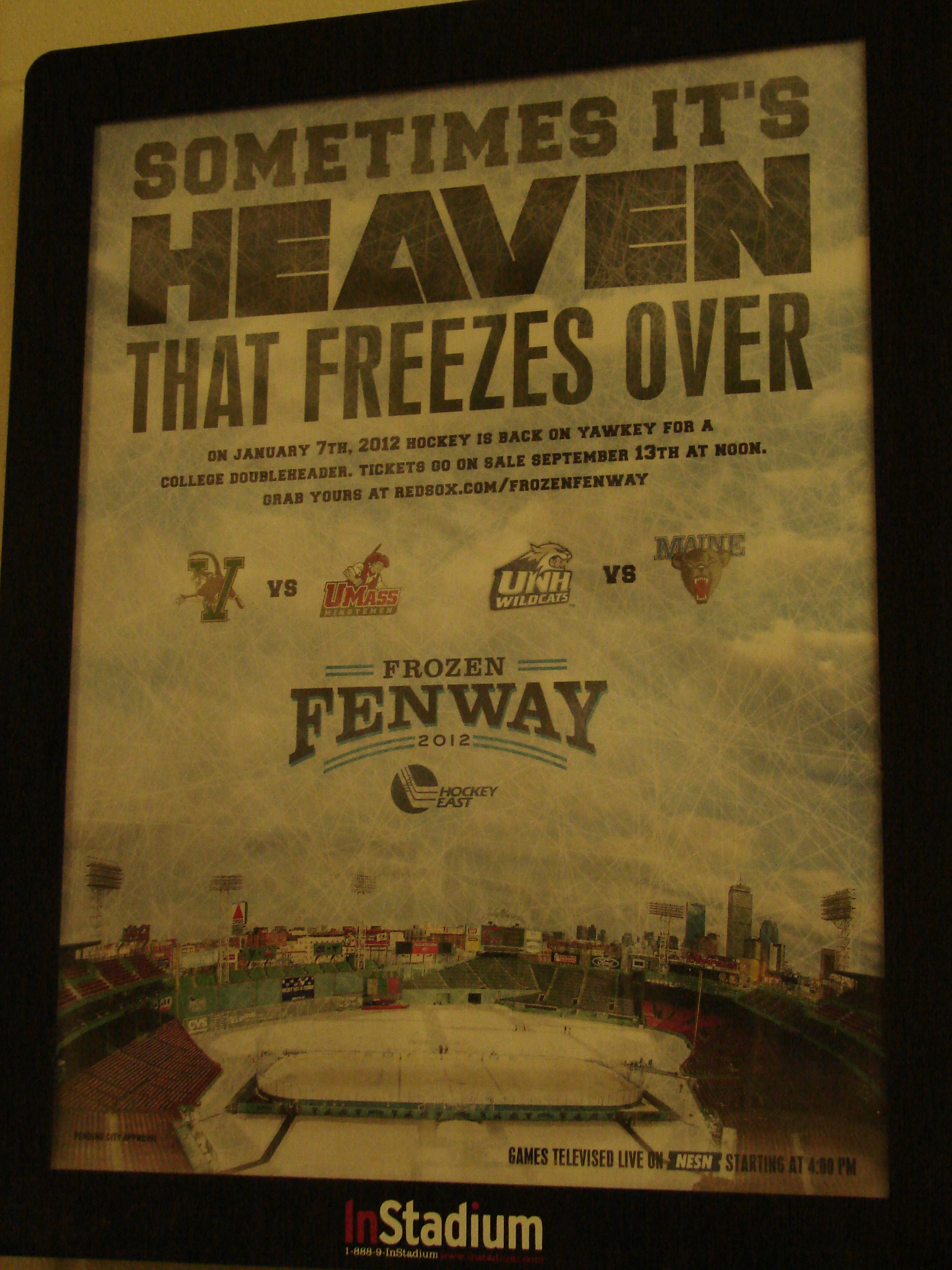
Frozen Fenway 2012 and Serendipity…..

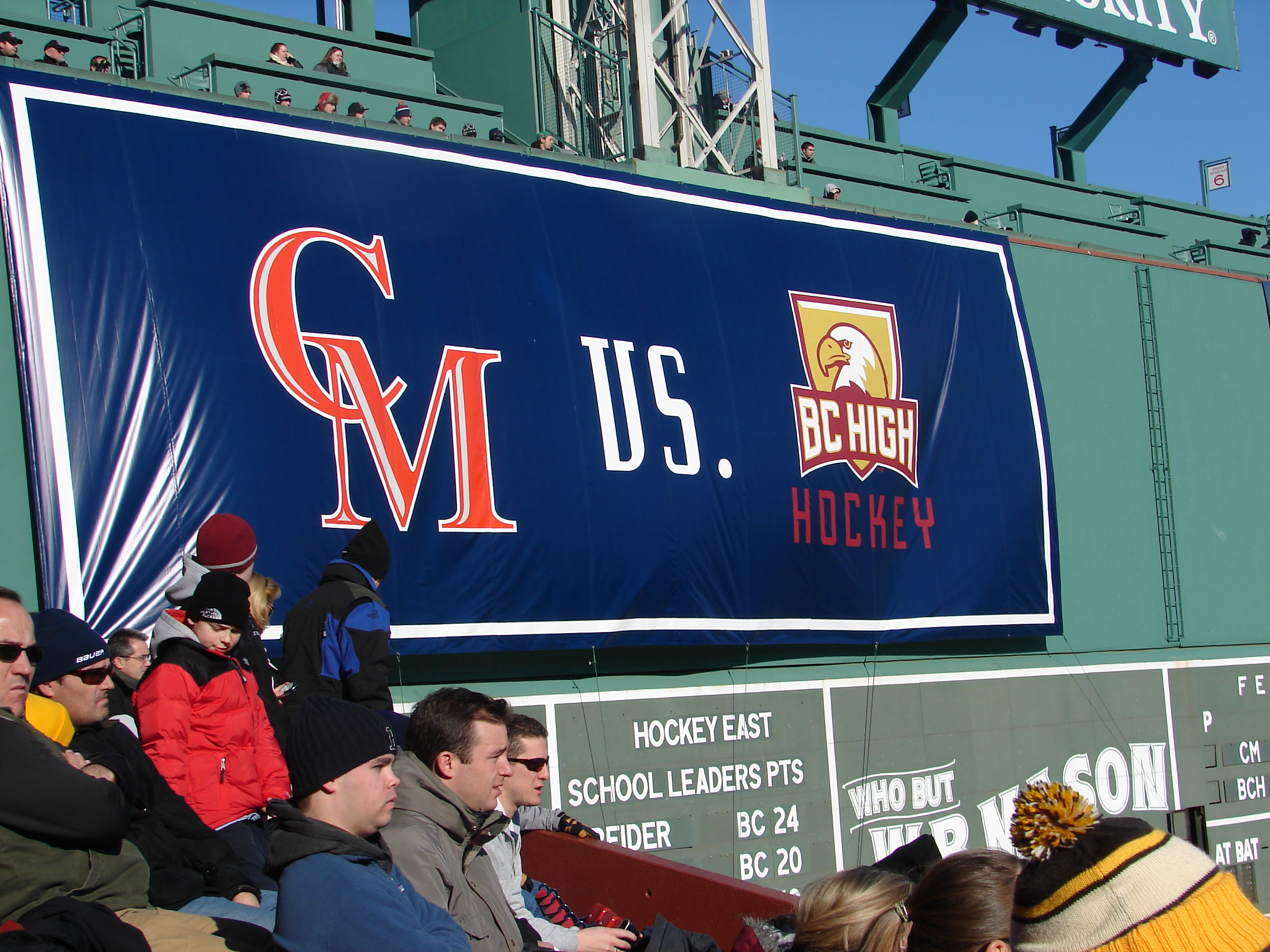
The inaugural event of Fenway Parks 100th birthday year, was Frozen Fenway 2012; which began and will end with a “Free Skate” with college and high school hockey sandwiched in between. The first high school hockey contest featured Latin Academy and East Boston High School. The last was played yesterday, “Rivalry Day” Saturday January 14th and included Catholic Memorial and Boston College High Schools. There is serendipity in high school sports, their rivalries, their historic significance and Fenway Park. 

You see 100 years ago when Fenway opened her gates, the very first non Red Sox baseball event held was a high school football game. Now this was not just any high school football game but it was Boston English High against Boston Latin High. That day in November of 1912, those schools were celebrating the 25th year of their rivalry. Thanksgiving Day 2012 Latin and English will play each other for the 125th consecutive year, the longest high school football rivalry in the nation. In the 1912 game, Latin emerged victorious 7-6 and left the field unaware that a century later two other high schools in a whole different sport would play out their passion in the same environs. The CM/BC High hockey rivalry, although not as longstanding, is filled with a heated intensity.
 In the first decade of this new millennium, the Knights of Catholic Memorial have been the state’s “Super 8 Champs” in 2003, ’04’, ’05’, and ’09’. The Eagles have held that same crown in 2002, ’06’ and ’07’. It is high school rivalry at its best and yesterday it unfolded in the shadow of the “Green Monstah” upon New England’s most hallowed ground.

BC High came in as the decided favorite, sporting a record of 6-1 while Catholic Memorial’s Knights were 4-3. Yet you wouldn’t know it by the play of a scoreless first period as the Knights out shot BC 12-3. However, things turned around quickly in the second period as BC High scored 39 seconds in and added two more en route to a 4-0 win.

BC High sophomore Tom Besinger assisted on the Eagles second goal.

So the day ended with the Eagles at 6-1 and Catholic Memorial back to even at 4-4. Six weeks remain in the Massachusetts Prep hockey season and these rivals will meet again. But yesterday the young men of two Greater Boston institutions steeped in tradition made history, and when Fenway Park celebrates her 150th birthday, they will proudly tell their grandkids about the day they laced up their skates and took to “the field”. The day that heaven froze over!

             And so it is on this day in Fenway Park history January 14, 2012.

tylnf

Posted in Fenway Park Other | Tagged , , , , , | Leave a comment